Story
From first drawing to day-one ops
A short story about complex builds, scattered delivery, and a cleaner path through PlanSync.
 PlanSync
A short story
The building is ready. The project isn’t.
This is about what happens between first drawing and day-one ops — and how that middle gets messy.
Act 1
The mess in the middle
Act 2
What “done” should feel like
Act 3
How PlanSync helps
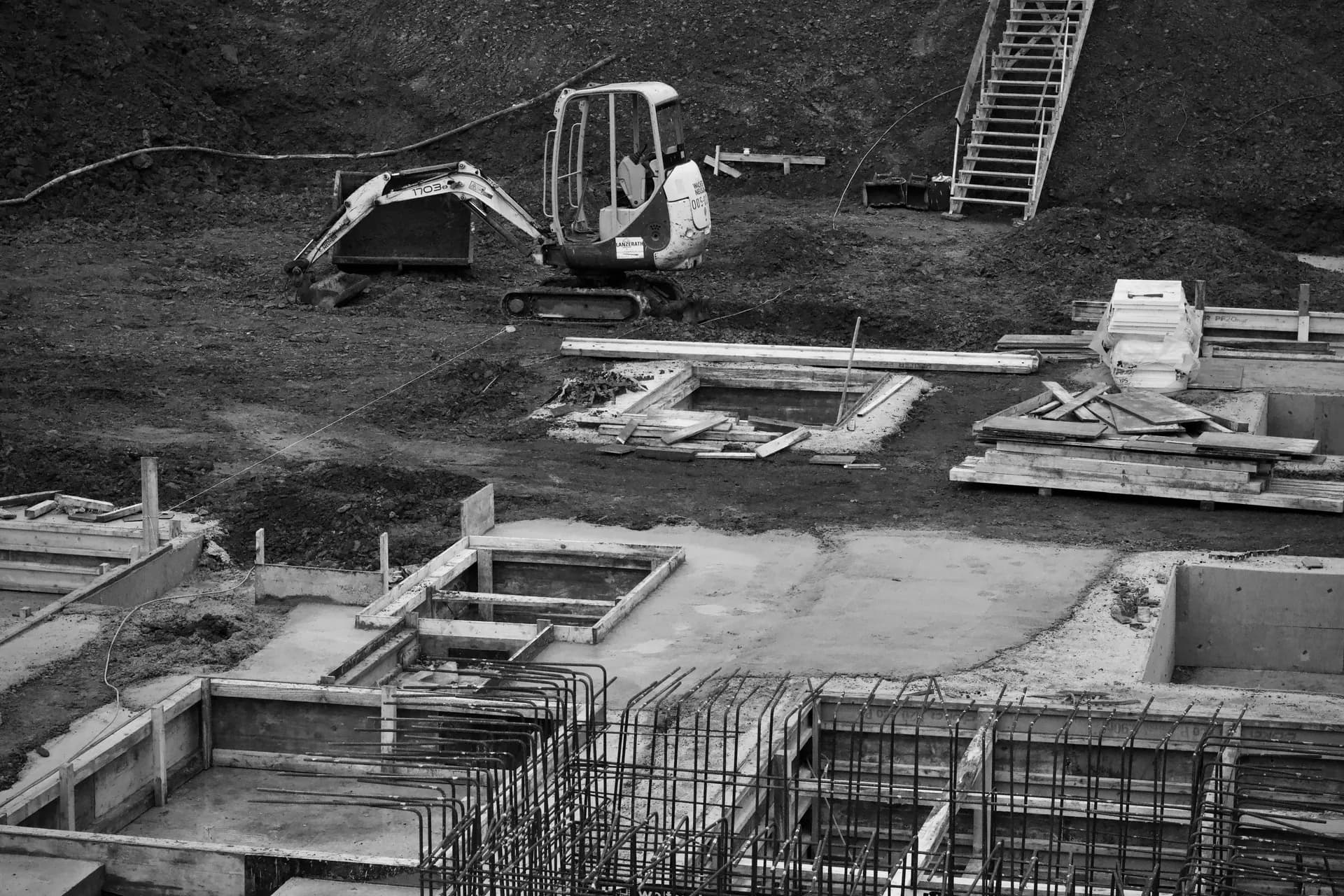
The opening
PlanSyncA short story
The building is ready. The project isn’t.
This is about what happens between first drawing and day-one ops — and how that middle gets messy.
Act 1
The mess in the middle
Act 2
What “done” should feel like
Act 3
How PlanSync helps
PlanSyncHow the story goes
- 01Something breaks in the middle~4 min
- 02Why it keeps happening~3 min
- 03A better ending~3 min
- 04The CDE — one shared source of truth~4 min
- 05PlanSync enters the story~8 min
- 06Your turn — what fits your world~5 min
PlanSyncOnce upon a build
The site gets smarter. The paperwork doesn’t.
Steel goes up. Systems get complex. And somehow the “source of truth” is still a folder, a thread, and someone’s memory.
- 01
Too many “latest” drawings
Trades move fast. Revisions don’t keep up.
- 02
Answers disappear
RFIs and markups live in email — until the people leave.
- 03
Handover becomes a fire drill
Ops walks in… and has to rebuild the story.
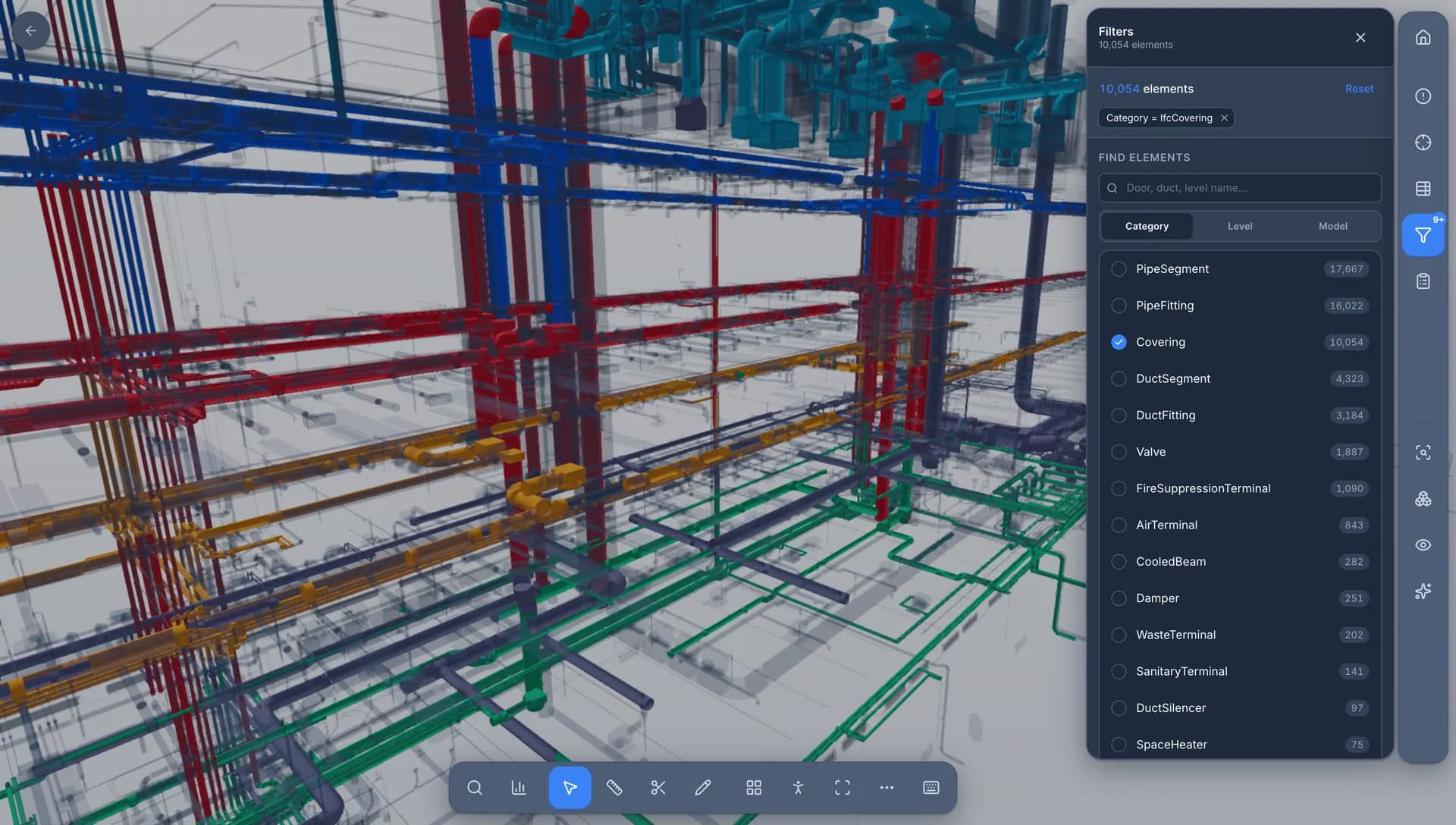 The model is clear. The process often isn’t.PlanSync
Here’s the twist
Most of the time isn’t building. It’s hunting.
Where the hours go
A pattern we see on complex projects (illustrative)
- Chasing people in email35%
- Finding the right drawing28%
- Following up RFIs & punch22%
- Actually deciding together15%
Which slice feels familiar?
And then handover waits… until it can’t
The building finishes. The asset story catches up last.
The blue gap? That’s the scramble. That’s the opportunity.
PlanSyncImagine instead
One story. From first sheet to ops day one.
Build
Everyone on the same page
One set of drawings. Markups live there.
Decide
Questions that actually close
RFIs and punch have owners — and an ending.
Hand over
Ops inherits a clean story
Assets and docs arrive ready — not rebuilt.
That’s the ending we want. Next: the idea behind it — a Common Data Environment.
PlanSyncCommon Data Environment
One place for the project truth.
A CDE is the shared hub where drawings, models, decisions, and handover live together — controlled, current, and findable. PlanSync is that environment for delivery teams.
Single source of truth
One workspace for plans, BIM, issues, and closeout — not ten folders and a hope.
Version control
Revisions stay ordered. Everyone opens the current sheet, not last week’s PDF.
Shared collaboration
Markups, RFIs, and punch sit on the work — owners and status included.
Access & audit
The right people see the right files. History stays when people leave.
Connected workflows
From pin on a drawing to closed RFI to asset with manuals — one chain.
Build → ops bridge
Handover isn’t a zip dump. Ops inherits tags, docs, and open items.
ISO-style idea, practical product: PlanSync keeps the common data environment where the work already happens.
PlanSyncEnter PlanSync
Four beats. Same project. No plot holes.
Start here
Drawings and models land in one workspace.
Work together
Mark up. Pin issues. Run RFIs. Close punch.
Finish clean
Clash early. Own the open items. Commission with eyes open.
Pass it on
Assets and manuals go with the building — not into a black hole.
PlanSyncWhat you get
Fewer lost chapters. More finished ones.
The right drawing
Always the current sheet — with markups on it.
RFIs that end
Asked, answered, remembered.
Clash before chaos
Find conflicts while change is still cheap.
A handoff that sticks
Ops gets the story, not a scavenger hunt.
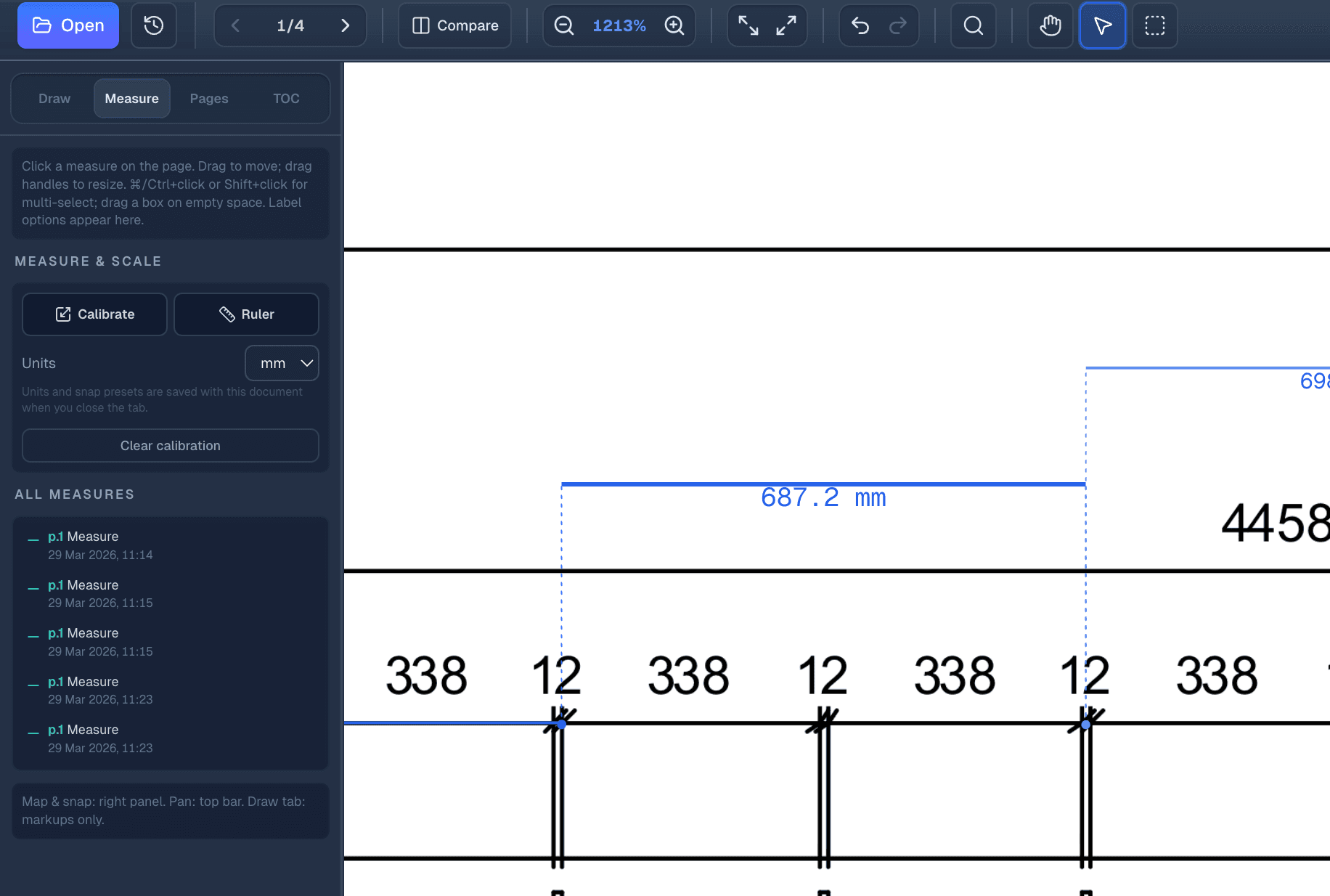 On the sheet. Not in the inbox.PlanSync
Day one of ops
AHU-01 shouldn’t be a mystery.
When the building goes live, every asset already has a name, a home, and its documents.
Docs stay put
Manuals live on the asset — not in a zip file.
Born from handover
Closeout writes the register. Nobody retypes it.
Ready to work
Maintenance starts from real tags.
PlanSyncSame project. Different ending.
Before the scramble. After the clarity.
Drawings
Before: “Which file is latest?”
After: One set. Everyone on it.
RFIs & punch
Before: Lost in email.
After: Asked → answered → closed.
Commissioning
Before: Surprises at the finish line.
After: Issues caught while change is cheap.
Handover
Before: Ops rebuilds from PDFs.
After: Assets arrive with their docs.
PlanSyncStart small
One project. One clear test.
- 1
Pick a live build
Somewhere the mess is already visible.
- 2
Put drawings, RFIs, and punch in one place
Core team first. Partners next.
- 3
Agree what “handed over” means
Which assets. Which docs. What’s open.
- 4
Check in after 4–6 weeks
Less hunting. More closing.
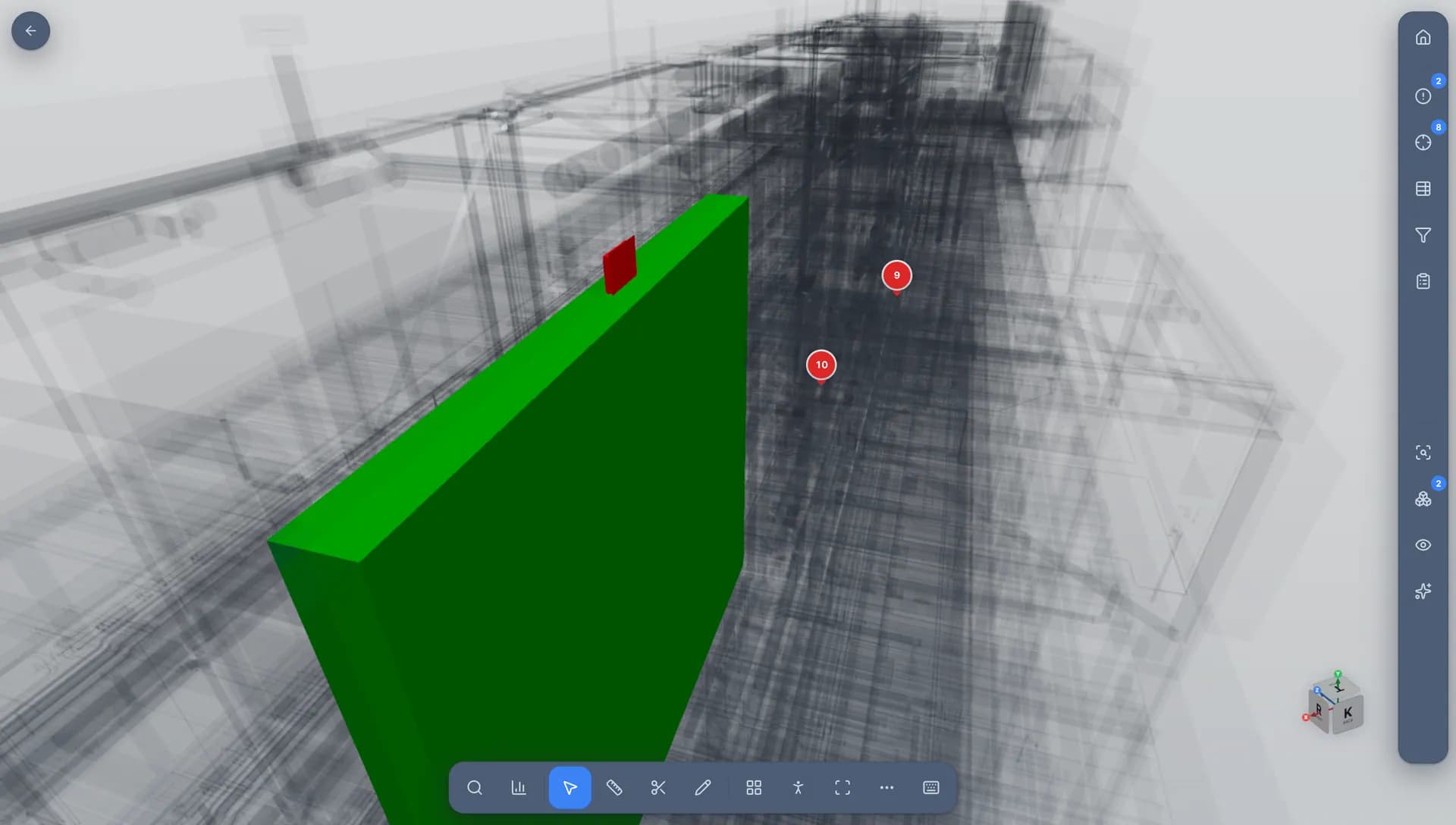 Fewer late-plot twistsPlanSync
Tell us your version
Where does this story break for you?
- Where is “the truth” today? Folders, email, someone’s head…
- What snaps first when it gets busy? Revisions? Vendors? Closeout?
- Who feels it most? Site, PMO, engineering, or ops.
- What does a good handover look like? In your words.
- Do late clashes still surprise you?
- What would a fair 60-day test be?
PlanSyncWrite the next page together
Less hunting. Cleaner handovers.
Keep the building story in one place — from first drawing to AHU-01.
Next
Name one project to try
Or
Walk the product live
Win
Less chaos. Clearer closeout.